Turnover has always been a sticking point in multifamily. But what if a new operating model could actually solve for that?
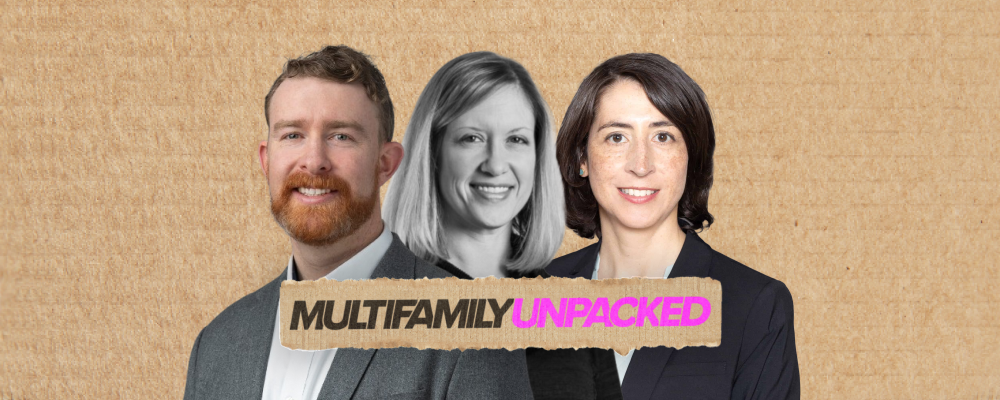
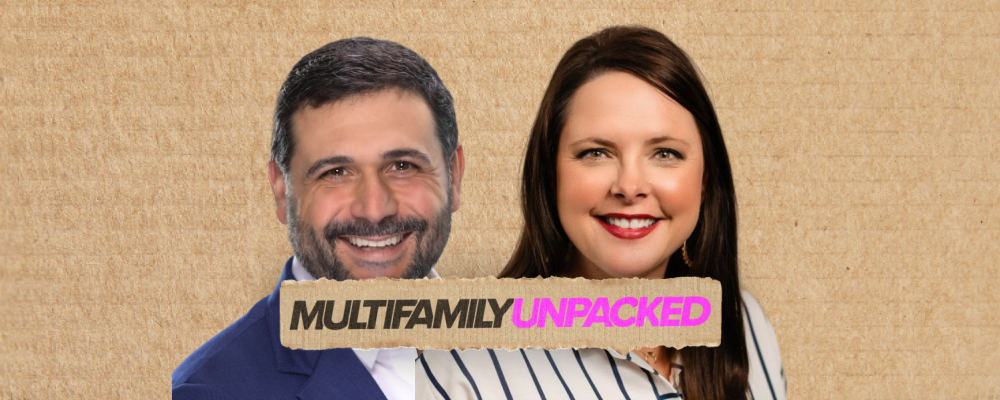
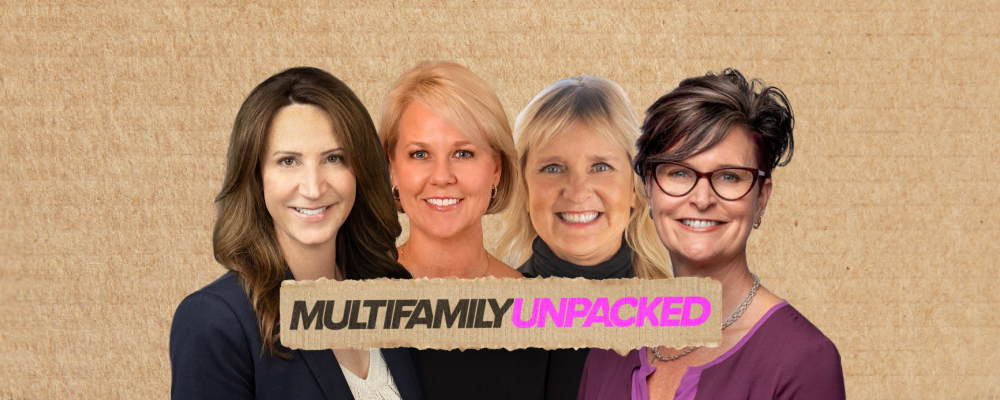
In this Forum highlight, Ginny Decker (SVP of Operations, Monument) and Jayde Kelley (Director of Innovation, RedPeak) sit down with Funnel’s Sarah Bozarth to talk about how centralized operations are giving teams more clarity, more support, and ultimately—more reasons to stay.
You’ll learn:
- Why both operators started with team feedback before rolling anything out
- How role specialization turned “one more task” into “one great job”
- The ripple effects on morale, retention, and resident experience
- How the right tech stack made the shift sustainable
If your goal is to create happier teams and stronger careers—alongside faster, efficient, scalable workflows—this episode is for you.
You’ll hear from:
- Ginny Decker, SVP of Operations, Monument
- Jayde Kelley, Director of Innovation, RedPeak
- Moderator: Sarah Bozarth, Funnel
This was recorded live at Forum. Read the full recap here.
Don’t miss out next year. 2026 registration is open, can’t wait to see you there.
Episode transcript:
0:00 Forum highlight — Employee experience in the new operating model
Ginny Decker: I think a lot of times team members hear the word centralization and it has a very negative connotation. We didn’t want to take that approach. We wanted people to understand that we were trying to give them more opportunities for advancement down the road.
Jayde Kelley: We have AI in place, and a lot of automation, but we also knew there were areas where humans could make an impact. So we let them drive that and have a say.
Ginny Decker: Starting at a higher level, talking about centralization early, helps when it’s time to roll it out. The change management process goes a little bit easier.
Jayde Kelley: If you have key players making decisions, those are the ones influencing your onsite teams to also buy in. It really does take a village to make something successful. When it comes to centralization or implementing new tech, they have to understand the why.
0:57 Introduction
Alex Howe: Welcome back to Multifamily Unpacked.
Turnover has long plagued the multifamily industry, but that’s starting to shift. As operators adopt the new operating model and role specialization, they’re creating bigger, better jobs, clearer career pathing, and teams that actually want to stay.
In this Forum highlight, Ginny Decker, SVP of Operations at Monument, and Jayde Kelley, Director of Innovation at RedPeak, join Funnel’s very own Sarah Bozarth to unpack the employee experience behind the new operating model—and how it’s reshaping careers across the industry.
Let’s get into it.
1:33 Welcome panel
Sarah Bozarth: I am super excited to hear from these leaders—and for you to hear from them—about something multifamily operators have struggled with for years: creating an employee experience that prevents burnout and opens up meaningful career paths.
To kick things off, I’d love to have everyone introduce themselves. Please share your name, role, company ownership structure, and an overview of the operations you’ve centralized so far. Let’s start with you, Jade.
Jayde Kelley: Sure. My name is Jade Kelly. I am the Director of Innovation at RedPeak. We are an owner-operator based out of Denver, and we’ve centralized leasing.
Ginny Decker: Hi, I am Jenny Decker, Senior Vice President of Operations with Monument Real Estate Services. We are owner-operators based out of Miami. We’ve centralized our application processing and, just recently, our renewals.
2:32 Centralization as a service
Sarah Bozarth: We know everyone here is interested in centralization—you’re at Forum, after all! But I’ve had conversations this week with people who say they’re not sure exactly where to start. Jenny, you’ve worked closely with our team through consulting and Centralization as a Service. Can you talk about that experience and how it helped you know where to begin?
Ginny Decker: Sure. So first of all, what we did before we even started with our consulting week was I actually had employees apply to participate. We wanted to identify who those early adopters would be so that we could get their buy-in and then have them help us to promote centralization—or role specialization, as we call it at Monument—along the way after we got it somewhat figured out.
Being able to identify who even wanted to be in the room to be part of those conversations, I think, was really key. That brought out our folks that are not afraid to speak their mind. Some of them were brand new to Monument and had ideas from other companies. Some of them had been with us for years and were like, “Well, we’ve always done it this way.” And I said, no, I want you to flip your switch. I want you to think about things a little bit differently.
The consulting was great because it allowed us to pressure test those ideas with all of those stakeholders in the room. One of the most valuable takeaways was that it allowed some outside perspective. As corporate leaders, we think we know everything that goes on onsite—but we don’t. So hearing from our onsite team members, and having representatives from Funnel there to say, “Well, what if you tried this? What if I poked this hole in it—what would you do then?” gave us the opportunity to talk through those kinks ahead of time.
Overall, it helped give us structure and momentum on where we wanted to start first. It was more tactical in its approach, and we got hands-on support to help build the framework for what that was going to look like at Monument. Having onsite representatives be part of the process gave them more clarity.
I think a lot of times team members hear the word centralization and it has a very negative connotation, and we didn’t want that approach. We wanted folks to understand we were giving them more opportunity for advancement down the road. Taking some of the busy work off their plate. Helping them focus on our resident experience and also their experience onsite—and what it’s like to have a career in property management.
Looking back, I think having consulting services again helped with the momentum and the clarity, and it was able to help us accelerate the process overall.
5:34 How does being renter-centric help the employee experience?
Sarah Bozarth: Great, thank you. Jade, for you guys—it sounds like you centralized before coming to Funnel, but you needed that tech stack that was really going to help your vision and get you where you wanted to be. How has Funnel’s renter-centric architecture, especially the renter-centric guest card, helped your people focus on what they’re best at instead of getting bogged down by busy work?
Jayde Kelley: We started centralization because we kept hearing from our team members how frustrated they were. How busy the offices were. Everyone was doing everything, and it wasn’t always done well.
By taking our leasing agents out of the office and centralizing them, it gave them an opportunity to focus on what we really wanted them to do—that sales process.
With our previous CRM there were always frustrations, always hiccups. They still felt like they were doing everything all the time. Transitioning over to Funnel, with their support and their buy-in, really helped us hone in and focus on the tasks and touchpoints throughout the sales experience where we felt it was most impactful.
We have AI in place. There’s a lot of automation. But we also knew there was a piece where humans could make an impact. Really letting them drive that—when to reach out, how to reach out—while also understanding there would be flexibility. Funnel CRM gave us the insight into how impactful that was, and how productive they are when focusing on one part of a sales experience. That has been really big.
7:16 What advice would you give someone who wants to centralize right now?
Sarah Bozarth: I want to ask this to each of you, starting with you, Jade. What advice would you give someone if they’re going to start right now? What’s one tactical thing you could say: do this now for your teams, and it’ll help improve their experience?
Jayde Kelley: I think it really all depends on who you have in the room. If you have those key players that are making decisions—are those the ones influencing your onsite teams to also buy in? I really do feel like it takes a village to make something successful. And when it comes to centralization or implementing new tech, they have to understand the why.
Sarah Bozarth: Yeah, great. What about you, Ginny?
Ginny Decker: I would say start talking about centralization now—even just at a very high level—so it’s not a dirty word people are afraid of. Start working on identifying who those ambassadors are going to be to help you through the process.
Because, first of all, they’re normally very talkative, and they will tell you everything that you probably need to know—or at least everything they think you need to know. But identifying those folks early, and starting at a higher level talking about centralization, means that when it’s time to roll it out, the change management process can just go a little bit easier.
Sarah Bozarth: I think a takeaway I heard from each of you—and for everybody in the room to hear—is involving your teams. Talking to people in those roles early, often, and getting their feedback can make such a difference.
Ginny, Jade, thank you for being a part of this panel.
8:42 Forum 2026 registration now open
Alex Howe: Thanks for listening. If conversations like this are your thing, don’t miss the next one live—Forum 2026 registration is officially open. Join 100s of senior owners and operators at the industry’s best conference on AI, centralization, and the human element of multifamily. Grab your spot at the link in the show notes, we can’t wait to see you there.